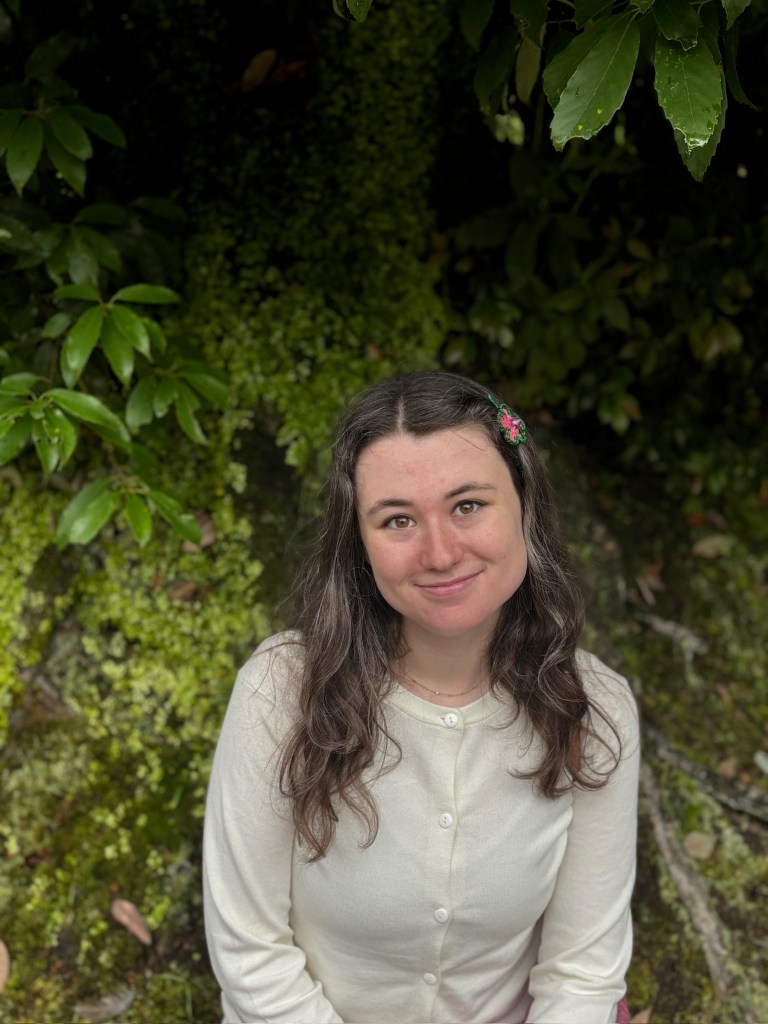
My name is Sarah Shapiro, and I am a student in the World History Master’s program at Northeastern University here in Boston, Massachusetts. I graduated from the University of Vermont with a double major in political science and history. After graduation, I knew I wanted to continue studying history in a graduate setting. At Northeastern, I study gender history, primarily outside of the US, with US perspectives. While at Northeastern, I am also completing a certificate for Digital Humanities, which is an aspect of this project. This project, completed by me, was done under the guidance of the NULab for Digital Humanities and Computational Social Science.
As a student in high school, I felt frustrated in my social studies courses. I felt like I wanted to do more than just read text, especially when I found some of the historical text to be incredibly outdated. I, however, was a lover of books and not super into digital media. I followed a path in high school and into college that focused on deeply studying history, reading and writing, and analyzing text, which I found rewarding. It wasn’t until I got into Master’s school at Northeastern that I considered blending this interest with digital resources. To be honest with you, I didn’t think I would be able to do digital text analysis. It sounds complex, and when I heard from a classmate that it involved coding, I became even more alarmed. How could I code with no experience? How could I use text analysis tools when I don’t have technology that is capable of running high-speed software? Enter, Voyant.
Voyant is a text analysis tool that I found when searching online for solutions to a previously failed digital attempt. The website could be accessed from any device, and worked on every student’s computer, no matter what software they had in my graduating class. I found this website sort of magically, and with my newfound knowledge of all of the choices that we make, which go into the digital tools we make, I knew I wanted to explore the tool further. This guide shows you how the website works and leads you through the kind of analysis I use with it. While there are other text analysis tools that you can use, many of them are not web-based and require downloading complex software. I hope this guide acts as a resource for students to ethically support digital tools that are accessible and non-extraneous!
My aspirations for this project are that you come away with some form of renewed digital confidence and enjoy a comfortable sandbox-like digital tool, which you can learn to better use depending on your corpora! If you take away one thing, let it be that you are capable of doing this work, and there are so many people rooting for you in this community! Explore my classmates’ experience and advice in the final page of my website, under Related resources.
During this program, some of my classmates and I created a digital dress-up game on a resource called Twine, which is linked below. Also linked below are my academic resume if you are curious about my academic background further, and my work in the advocacy and policy field on the importance of accessible education. Thank you, and I hope you find this website useful for whatever digital questions you are seeking answers to!
 Voyant Text Guide for Students